






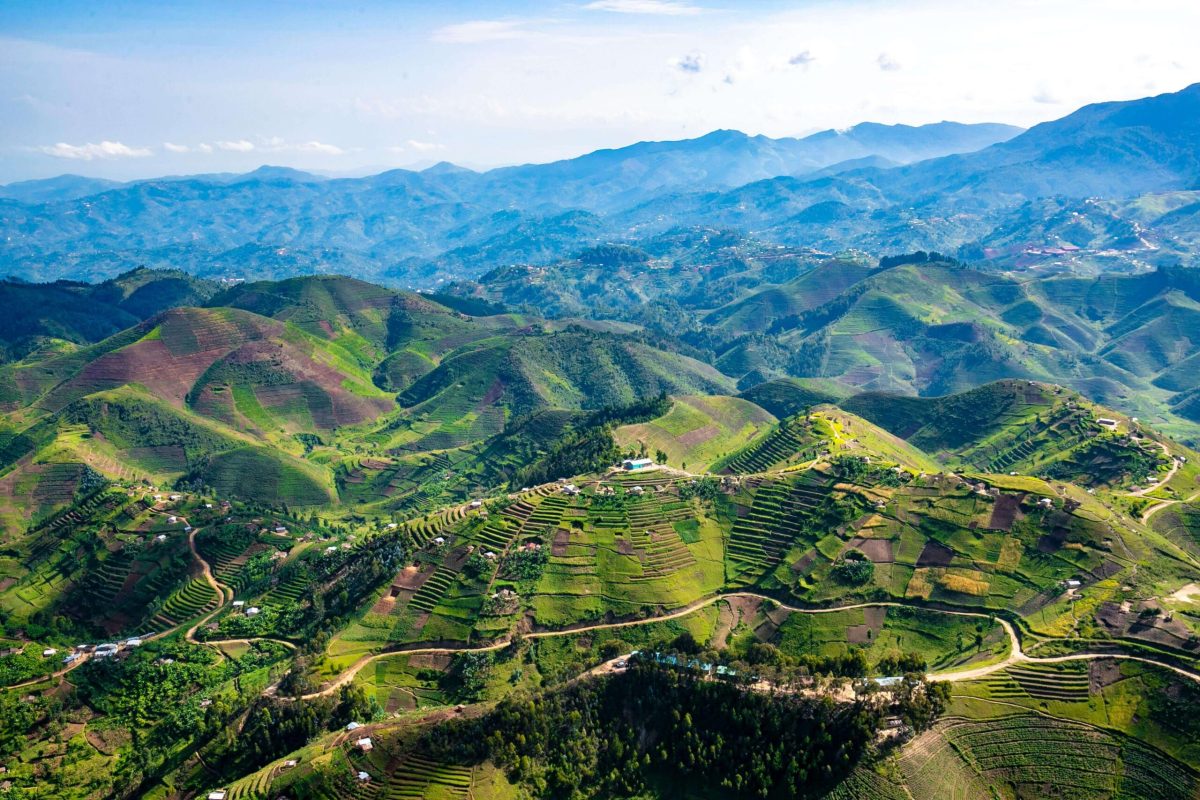
They call it the land of a thousand hills, igihugu cy’imisozi igihumbi. Rwanda is small and green almost everywhere you look, and its hills are steep enough that when cycling brought its world championships to Kigali last year, the first ever held in Africa, they decided the race. The home crowds had one of their own to cheer, too. Rwanda’s Eric Manizabayo had them on their feet as he tried to go with the early attack in the men’s road race.
Next, the hills will hear engines. At a ceremony in Kigali on Tuesday morning, Rwanda’s president, Paul Kagame, announced that Formula 1 is coming. “Today belongs to Africa,” he said. “For more than three decades, the world’s premier motorsport championship has raced without this continent, and that changes with this agreement.”
The deal is for ten years. The race will be called the African Grand Prix, presented by Visit Rwanda, and it will be held at a new circuit in Bugesera, about 40 kilometres south of the capital, right next to the new Kigali International Airport. It will be built to the FIA’s Grade 1 standard, the one every Grand Prix track has to meet, and the first race will come when it is finished, which Formula 1 expects to be “early in the next decade”. There is no date yet, no layout and no lap length. Those, F1 says, will follow “in due course”.
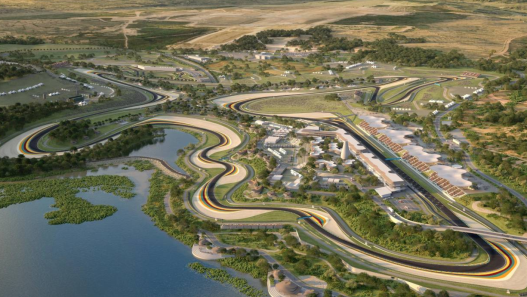
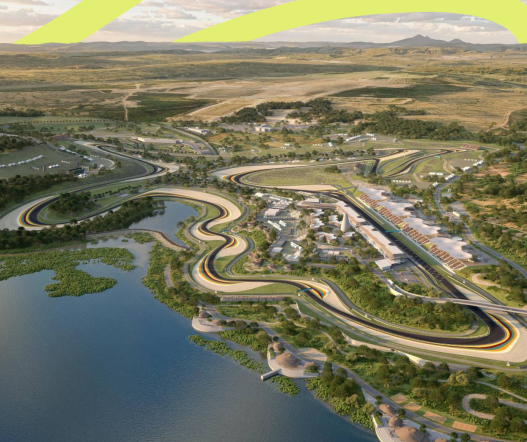
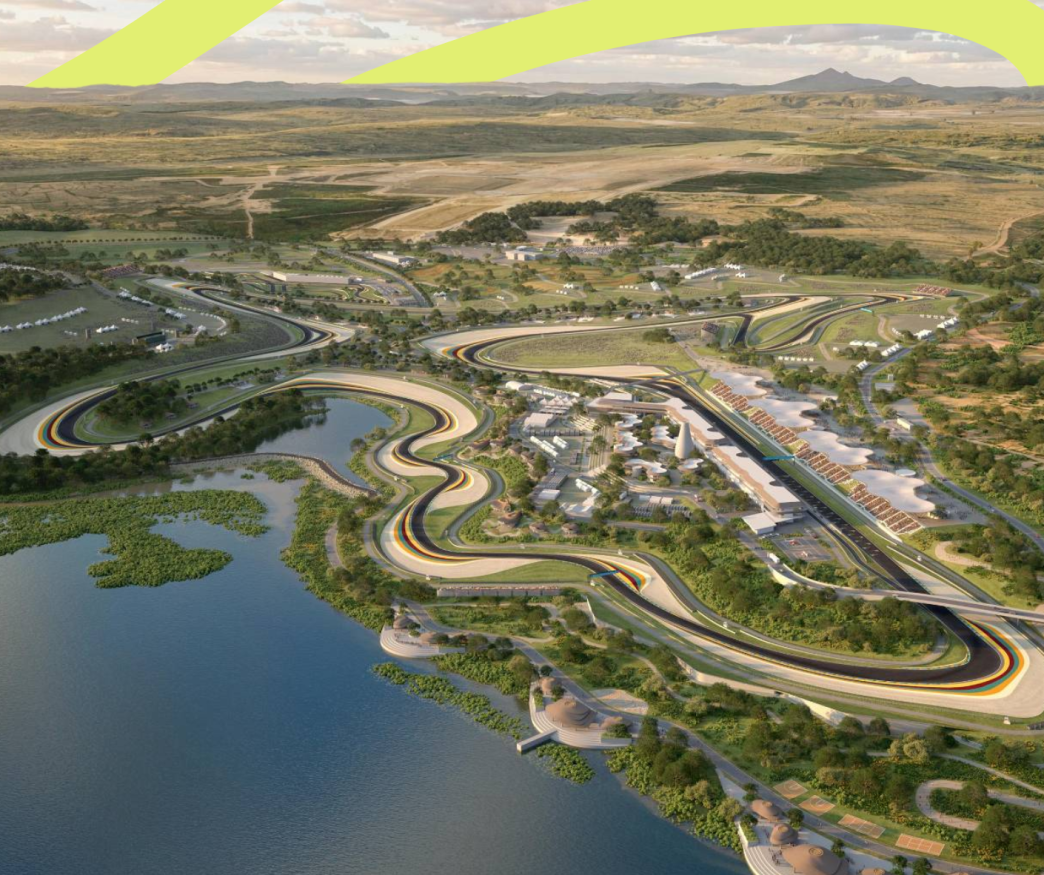
Bugesera is in the east of the country, where the hills soften and the land opens out into lakes and wetlands, and it is changing fast. The airport is going up there now, with an airport city of hotels and businesses planned around it. F1’s render shows the track curling along the edge of the water, and F1 says the circuit will “work in harmony with the natural landscape, using the area’s elevation changes to create a unique and challenging racing experience”. The drivers, PA Media reported, are expected to have a say in the final design.
- Full name
- Formula 1 African Grand Prix, presented by Visit Rwanda
- Deal
- 10 years
- First race
- Early 2030s, once the circuit is finished. Date to be confirmed.
- Venue
- New purpose-built circuit in Bugesera, about 40 km south of Kigali, next to the new Kigali International Airport
- Standard
- FIA Grade 1
- Led by
- Rwanda Development Board, as part of a wider sport, tourism and business project
- All year
- A venue for other motorsport, events, conferences and concerts outside race week
- Layout
- Not revealed yet. Drivers are expected to be consulted.
Map is a schematic, not to scale. Details from Formula 1’s announcement; driver consultation reported by PA Media.
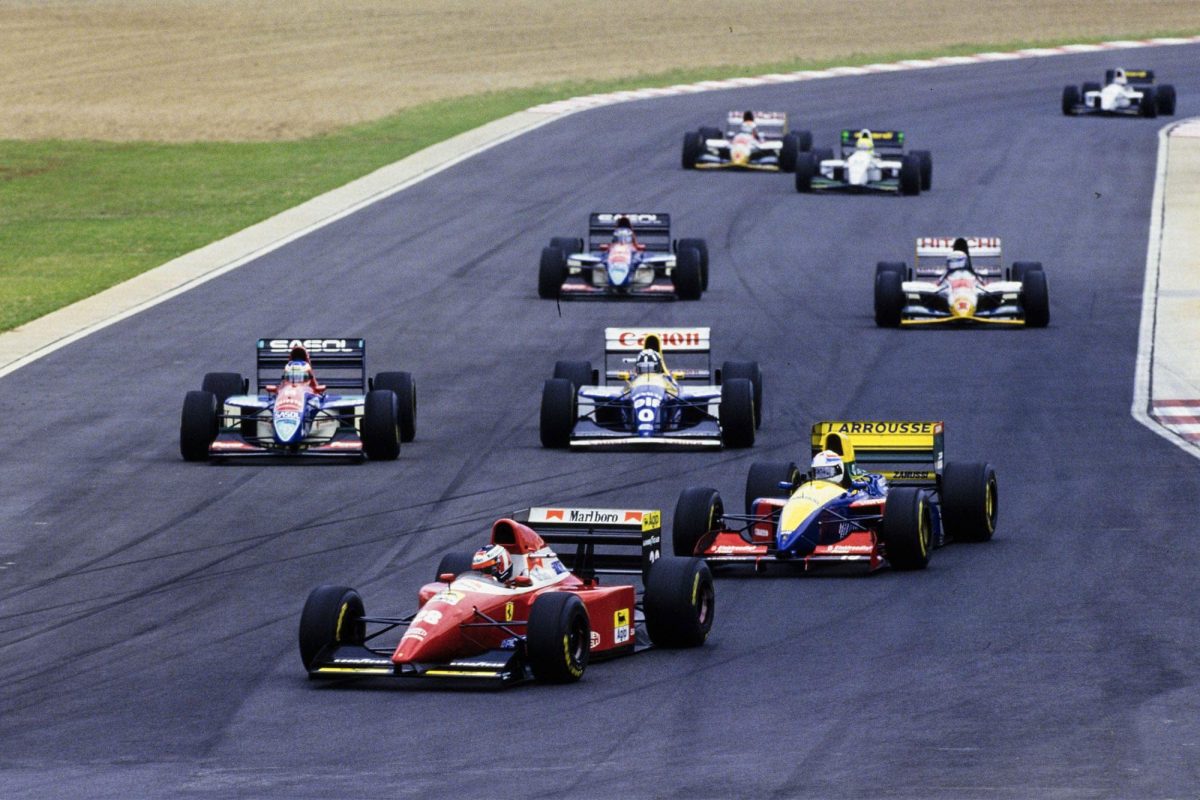
It has been a long time coming. On 14 March 1993, Alain Prost won the South African Grand Prix at Kyalami, in his first race back after a year away, with Ayrton Senna more than a minute behind. Then the teams packed up and flew home, and Formula 1 never went back. Not to Kyalami, and not to anywhere else in Africa.
- 1958Morocco’s only World Championship race, at Ain-Diab in Casablanca. Stirling Moss wins; Mike Hawthorn clinches the title.
- 1962South Africa joins the championship at East London.
- 1967–85Kyalami, near Johannesburg, becomes the home of the South African Grand Prix.
- 1985The race is dropped over apartheid. Renault and Ligier stay away.
- 1992Kyalami returns after apartheid ends. Nigel Mansell wins.
- 1993Alain Prost wins at Kyalami, with Ayrton Senna second. The last Grand Prix in Africa.
- 1994–2026Thirty-three years without Formula 1 on the continent.
- 2024Rwanda confirms its bid at the FIA’s prize-giving in Kigali.
- 2026A 10-year agreement for the African Grand Prix.
- Early 2030sThe first race at Bugesera.
Africa is the only inhabited continent where Formula 1 does not race. The African Grand Prix will change that once the Bugesera circuit is finished.
Rwanda’s own story over those years deserves to be told on its own terms. In 1994, during the genocide against the Tutsi, hundreds of thousands of people were killed in about a hundred days. Bugesera was not spared. The churches at Nyamata and Ntarama, not far from where the circuit will be built, are now genocide memorials, and every April the country stops for Kwibuka, a hundred days of remembrance.
The rebuilding has been something Rwandans do together. On the last Saturday of every month, people across the country stop for umuganda, a morning of community work, cleaning streets and building and repairing things side by side. It is one reason Kigali is known for being so clean, in a country that banned plastic bags back in 2008.
Sport has become part of how Rwanda shows itself to the world. The Visit Rwanda name went on Arsenal’s sleeves in 2018, and the country has since partnered Paris Saint-Germain and Bayern Munich. Kigali has hosted the Basketball Africa League, the 2023 FIFA Congress and, in December 2024, the FIA’s General Assemblies, the first ever held in Africa. Rwanda has had cars in its hills for years, too. Each year the Rwanda Mountain Gorilla Rally, a round of the FIA African Rally Championship, brings the continent’s best rally crews to the country.
For Rwanda, this was never going to be about one weekend a year. “It’s an investment. It’s not an expenditure for a single event,” Jean-Guy Afrika, chief executive of the Rwanda Development Board, told The New Times. The new airport is expected to take the country from handling about one million passengers to more than five million, and the race is meant to help bring them.
Nelly Mukazayire, the sports minister, talked about who it is really for. “The excitement of F1 had been for so long left out of Africa, and Africans are known to be good fans,” she said. The government hopes to set up a motorsport academy so that young Rwandans can find their way into the sport, as engineers, mechanics and organisers as well as drivers.
Formula 1 sees it the same way. “Africa has always been part of Formula 1’s future,” said Stefano Domenicali, Formula 1’s president and chief executive, “and from the beginning we were determined to return in the right way, with the right partner, a long-term commitment and a clear vision for creating meaningful impact.” With Rwanda on the calendar, he said, F1 “will race in every inhabited continent”. He put the number of its fans in Africa at more than 100 million.
Mohammed Ben Sulayem, the FIA president, called it “a historic moment for our sport” and talked about what the race could leave behind: “inspiring new generations, developing talent and opening new opportunities for motorsport across Africa and beyond.”
Even South Africa, which wanted the race for itself and still hopes for one of its own, was gracious. “We are happy for Rwanda’s 2030 F1,” wrote Gayton McKenzie, its sports minister. “They have worked on it longer than SA and deserve it.” Rwanda returned the warmth. “We very much welcome other countries joining and placing bids and competing for Formula One,” Afrika said.
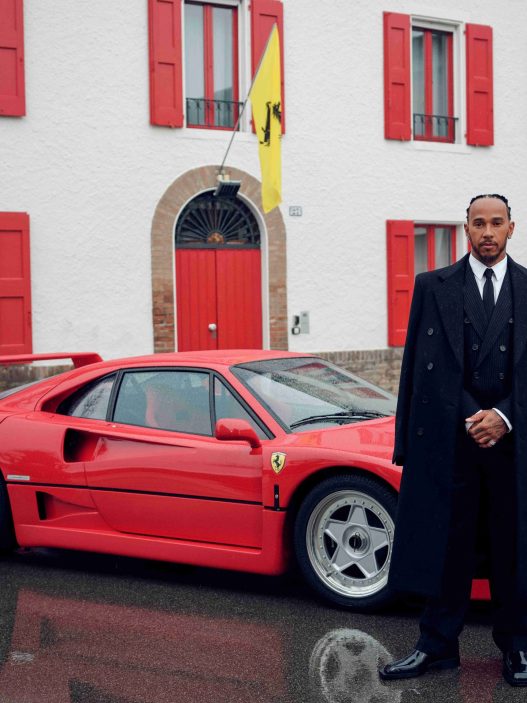
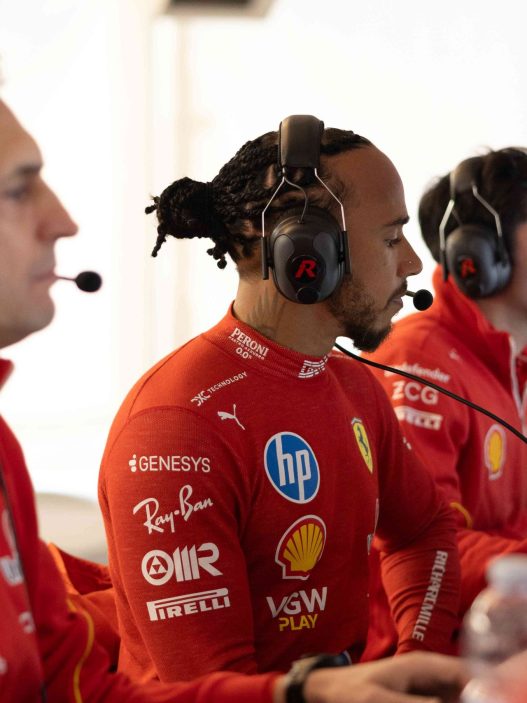
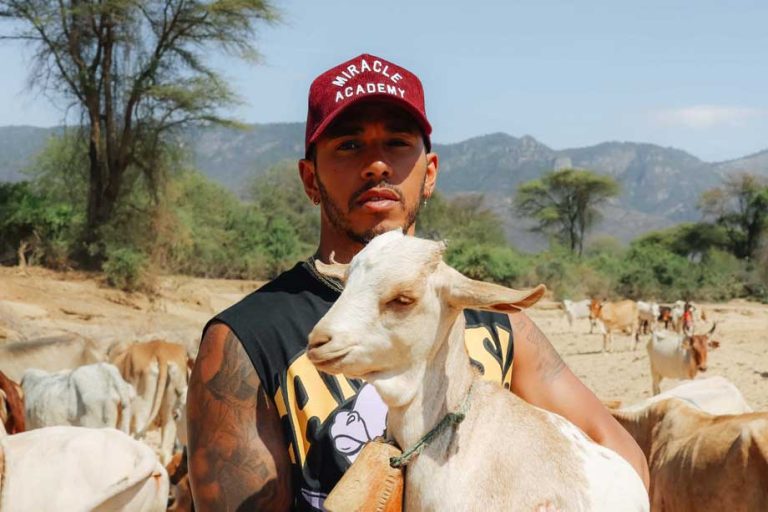
Nobody in the paddock has wanted this more than Lewis Hamilton. He has been asking for a race in Africa for years, out loud and, as he puts it, “in the background”. In Singapore last week, before anything was official, he was asked about Rwanda again. “I haven’t really got any news for you,” he said. “But I’ve always said that we need to have a Grand Prix in Africa.” He thanked Domenicali, who has “flown to Africa so many times over the last couple of years”, and said he hoped there would be “some news for me soon”. Five days later, there was.
“It is, for me, the most important continent and the most beautiful continent. We’re on all the other continents but that one and there should be no reason for it.”
Hamilton is 41. By the early 2030s he will be in his mid-forties, and the race he pushed for may well arrive after he has stopped racing. But he has been to Rwanda. In 2022 he was welcomed “with smiles and music”, hiked up through green fields where children sang to him, and climbed a volcano to see the mountain gorillas. Afterwards he wrote on Instagram that he was “in love with this country”. “Thank you for having us,” he signed off. “I can’t wait to come back.”
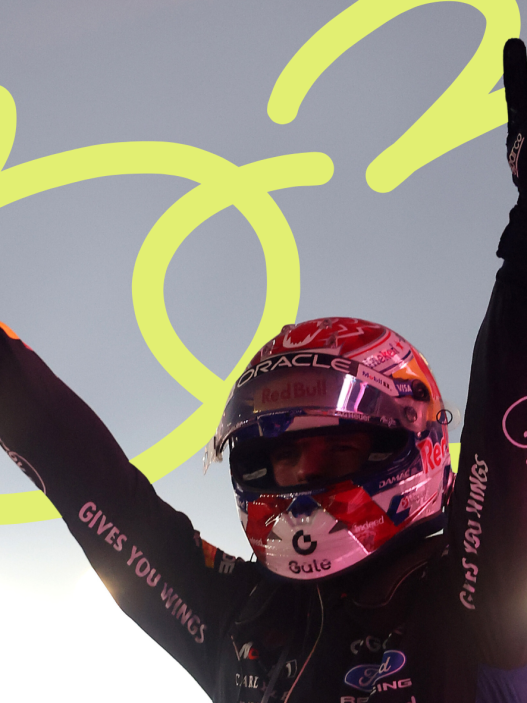
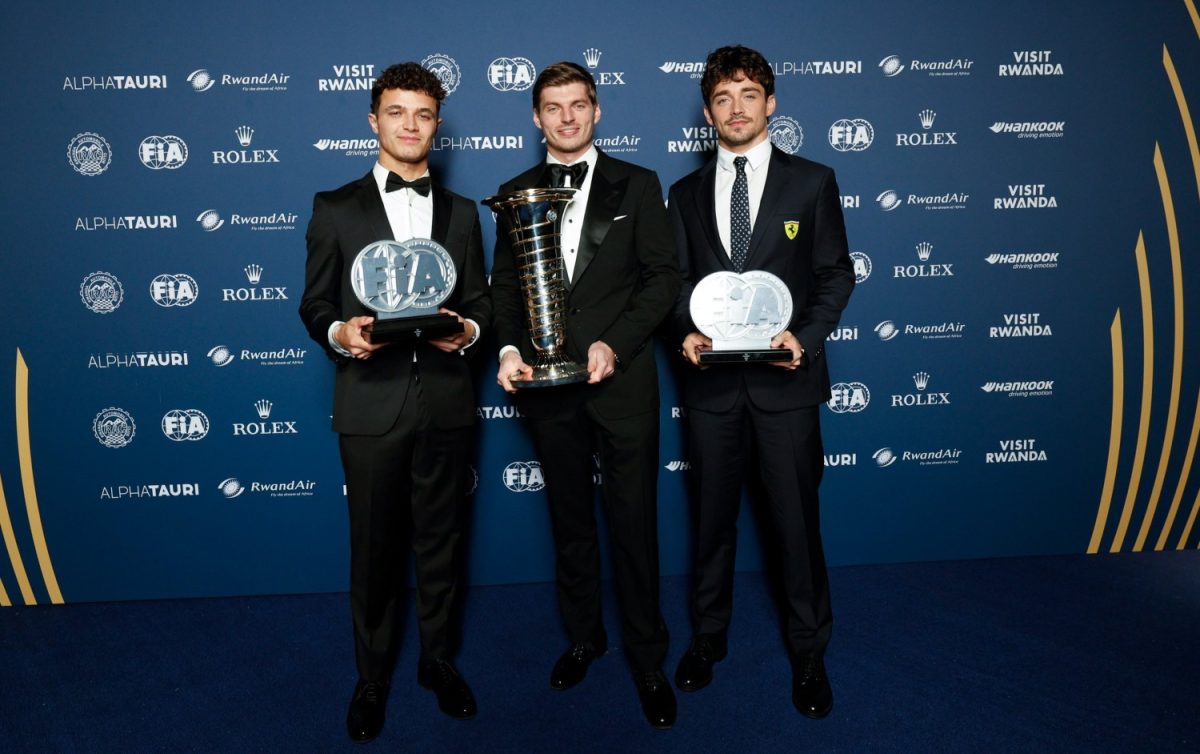
Max Verstappen has been, too. He collected his fourth world championship trophy at the FIA’s prize-giving in Kigali in December 2024, at the same event where Rwanda formally announced its bid. “For sure, if that’s possible that would be great,” he said in Singapore. George Russell, who was in Africa earlier this year, put it more simply. “Africa is the only continent we don’t race on and it’s about time we had a race there.”
In the end, though, this is about the fans. Many of the 100 million fans Domenicali talks about were not born when Prost crossed the line at Kyalami. Africa is the youngest continent on earth, and in F1’s key markets south of the Sahara almost six in ten fans are under 35. Mukazayire put it best. “There is a place for a young Rwandan in this motorsport,” she said, “whether it’s behind the wheel, whether it’s crafting the wheel or even running the event.” In the early 2030s, the sport will finally go to them.
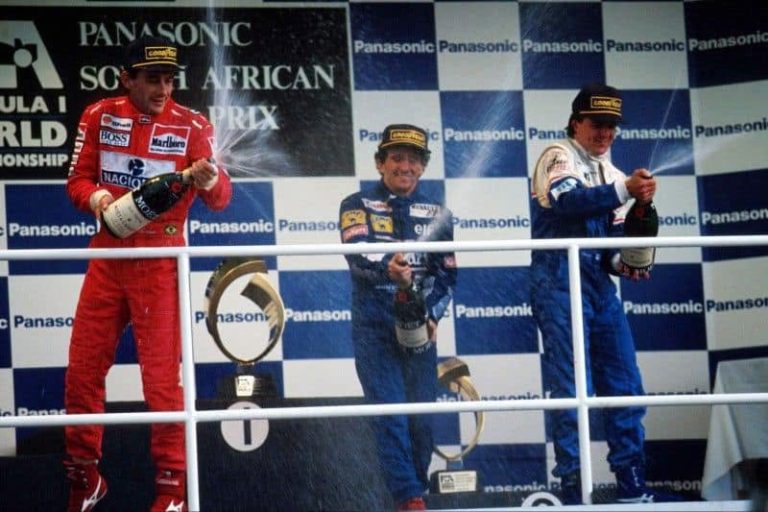
The last time Africa heard a Formula 1 engine in anger, Prost was on the top step at Kyalami with Senna beside him, champagne in the air. Then the sound went quiet, and it stayed quiet for thirty-three years.
Early in the next decade, it will come back. It will roll across the water at Bugesera, over the wetlands and up the terraces, into hills that have never heard anything like it, and people will stop what they are doing to listen. Rwanda lined its roads in its thousands for the cyclists. It will be there for the cars, too, with the same word it has for everyone who comes over those hills.
Murakaza neza. Welcome.