





LAP 29 ReferenceUpdated October 2026
Formula E
Formula E is the FIA’s all-electric single seater world championship. It has raced since 2014, mostly on temporary circuits laid out through city centres, and has held 165 races across twelve seasons. In December 2026 it moves to its fourth generation of car, GEN4, with 600 kW and permanent all-wheel drive.
2014First race
2020World Championship status
165Races held
10Different champions
600 kWGEN4 peak power
21Races in 2026–27
01
The championship
Formula E held its first race on 13 September 2014, on a street circuit around the Olympic Green in Beijing. Lucas di Grassi won it after Nick Heidfeld and Nicolas Prost collided at the final corner.
The championship was conceived by Jean Todt, then president of the FIA, and put to Alejandro Agag and Antonio Tajani in Paris in March 2011. Agag founded the series, and its defining choice was to race in city centres rather than at permanent circuits.
Most rounds still run on temporary street circuits that are public roads for the rest of the year, which keeps events compact. Practice, qualifying and the race are often held on the same day, and many cities host two races on consecutive days.
Since the 2020–21 season Formula E has been an FIA World Championship, the first single seater series other than Formula 1 to hold that status.
It also makes sustainability claims no other sport can match. It was the first sport certified net zero carbon since its inception, the first to hold the BSI’s Net Zero Pathway certification, and the first to be certified as a B Corp.
02
The car
From 2026–27 every team races the GEN4. Spark Racing Technology builds the chassis for all of them, Podium Advanced Technologies supplies the battery and the front motor comes from a single supplier. Manufacturers design the rear powertrain, rear suspension, differentials and brake-by-wire system, and that is where the engineering competition sits.
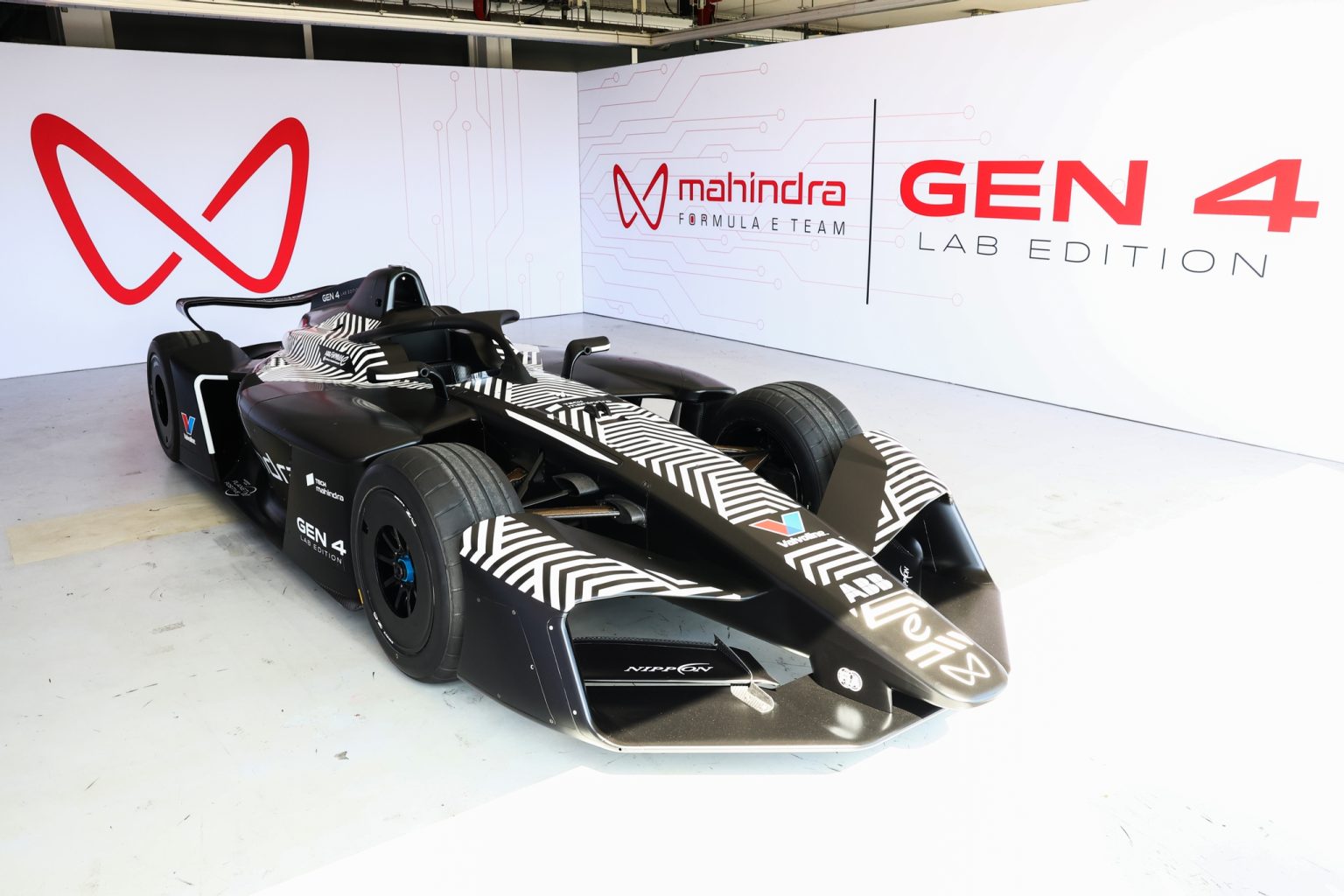
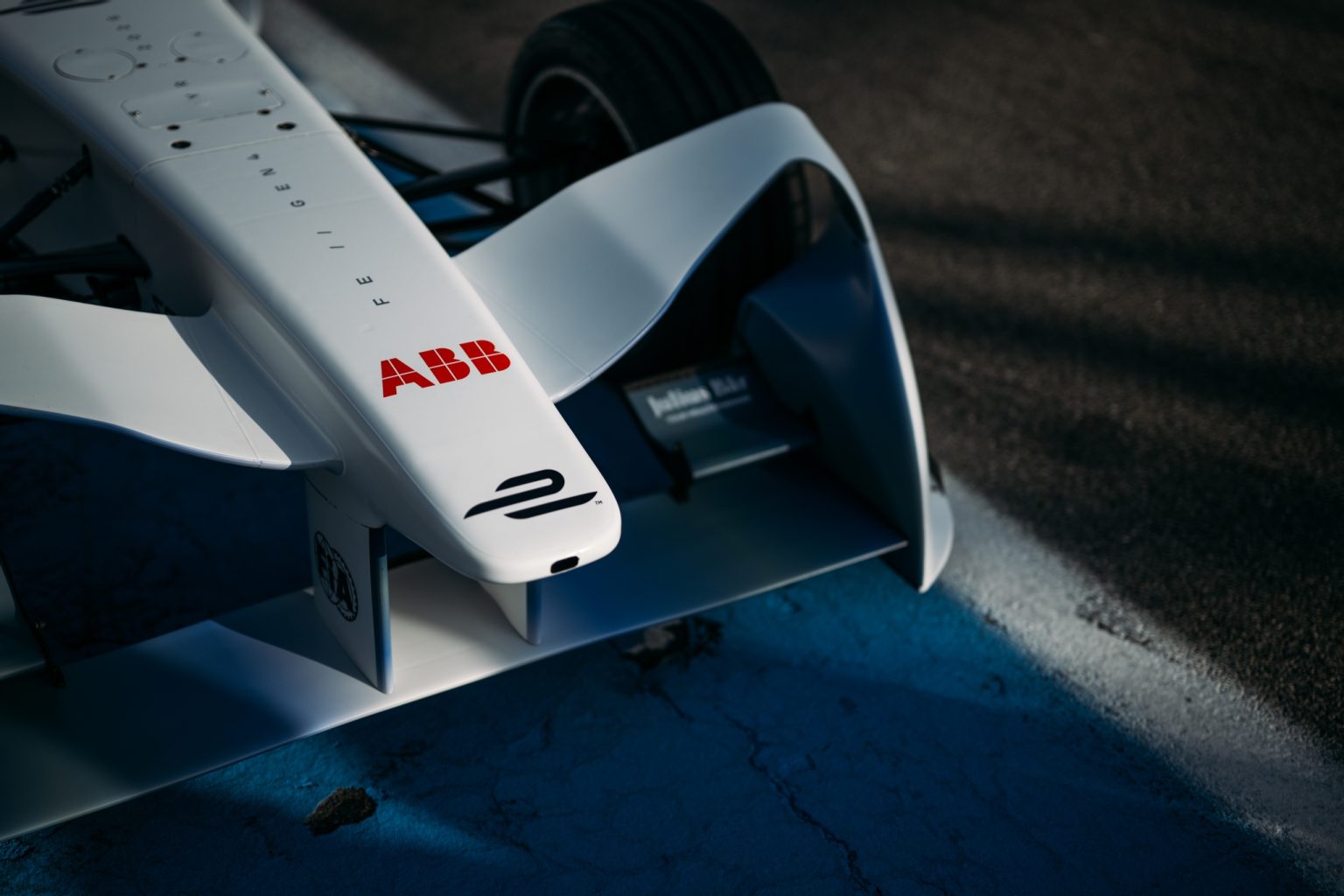
The Mahindra GEN4 Lab Edition at the car’s launch at Circuit Paul Ricard on 21 April 2026 (Simon Galloway/LAT Images), and the nose of a GEN4 at the same event (Jazz Vian for Parc Fermé). The car races for the first time at Jeddah in December 2026.
Power600 kW peak450 kW in race mode and 600 kW in qualifying and Attack Mode, a 71 per cent increase in peak power over the GEN3 Evo.
DrivePermanent all-wheel driveActive all-wheel drive at all times, which Formula E says is a first for any single seater.
Recovery700 kW regenerationMore than 40 per cent of the energy used in a race is recovered under braking.
BatteryUp to 55 kWhBuilt by Podium Advanced Technologies. A larger battery than GEN3’s 38.5 kWh, and one that contains no rare earth minerals.
AeroTwo configurationsHigh downforce for qualifying and the E-Prix Unleashed sprint, low downforce for the main E-Prix.
TyresBridgestoneBridgestone returns to an FIA world championship for the first time in a decade and a half, with tyres made from 65 per cent renewable and recycled material and a separate tyre for heavy rain.
Formula E quotes 0 to 100 km/h in about 1.8 seconds, a top speed of 335 km/h and a minimum weight of 950 kg, and expects GEN4 to be about ten seconds a lap quicker than GEN3 in qualifying trim. The car is built from fully recyclable or reusable materials, with at least 20 per cent recycled content.
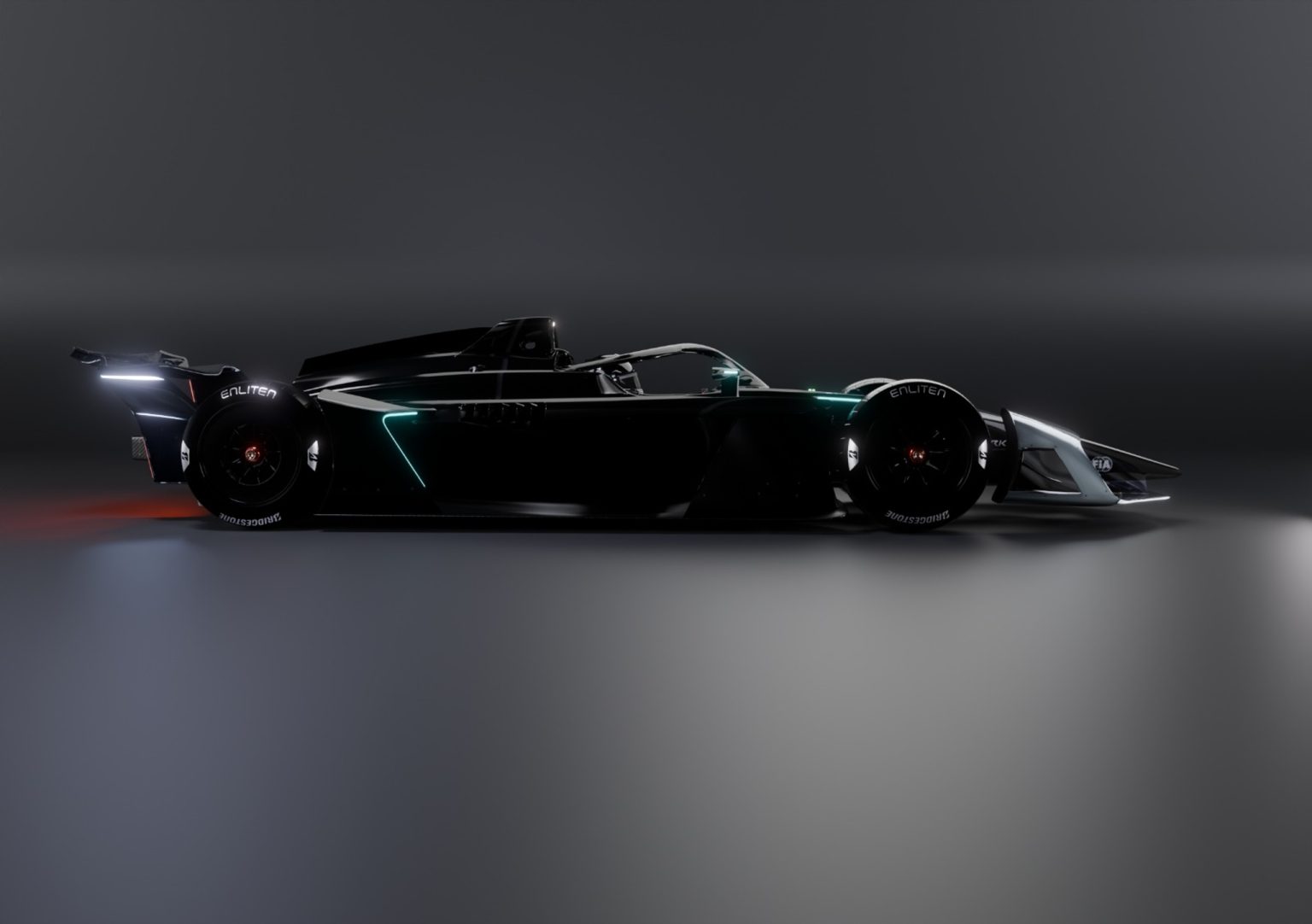
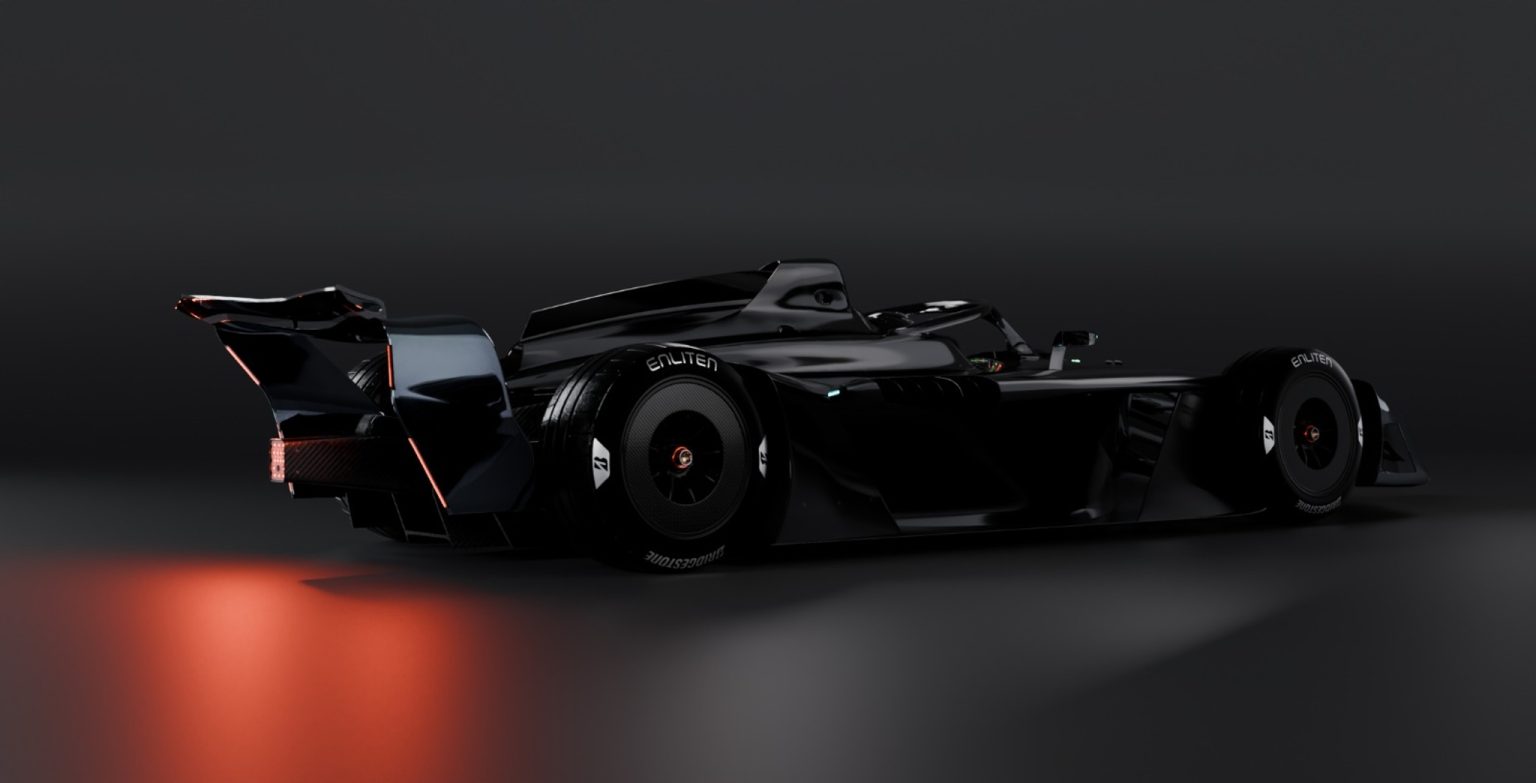
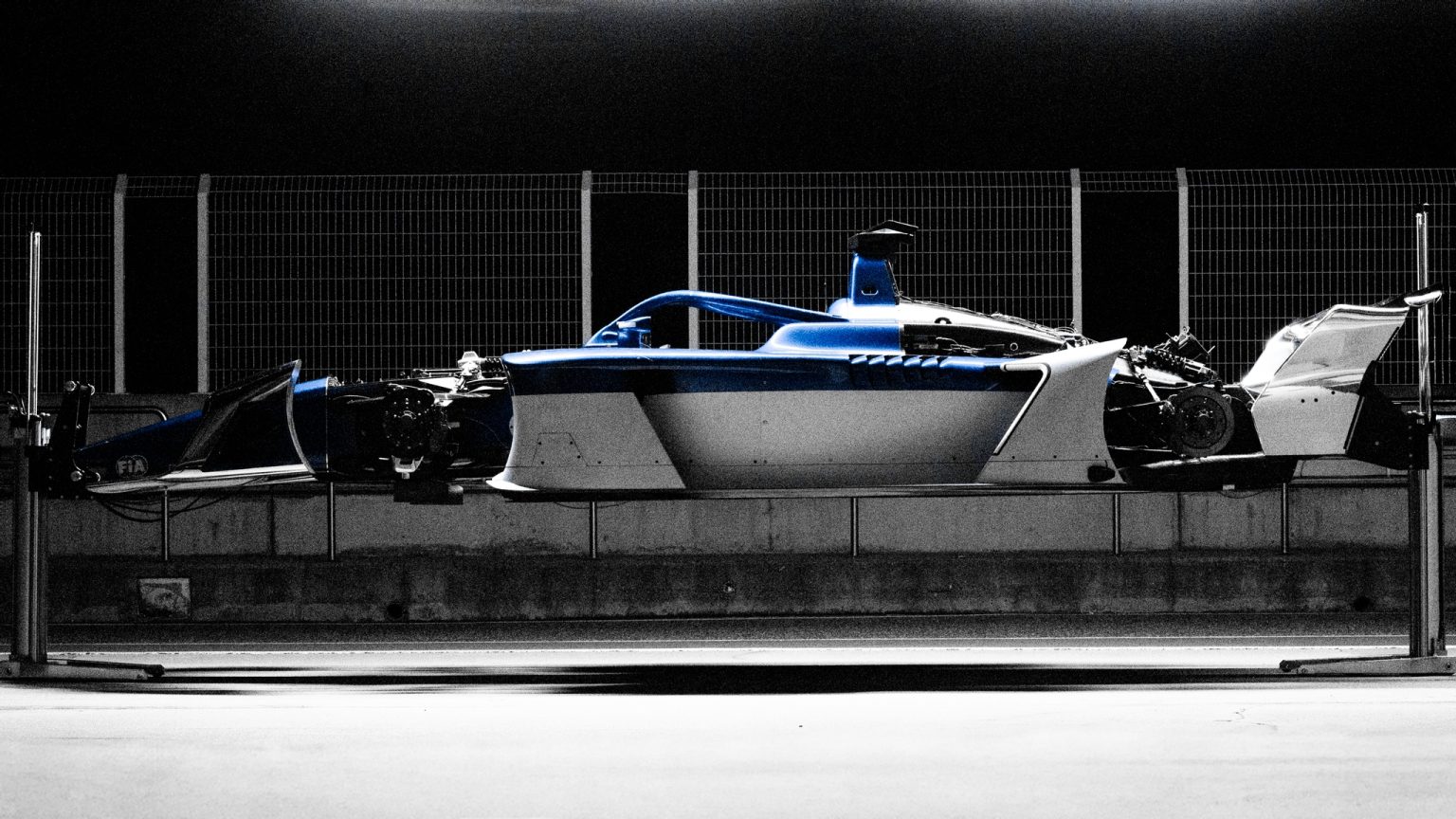
Two studio renders of the GEN4, the car that replaces GEN3 Evo from season 13. Images: Formula E.
03
The race weekend
A Formula E race is a test of energy as much as speed. No car has enough on board to run flat out from start to finish, so drivers lift, coast and regenerate, and races are often decided by who has the most left at the end.
Qualifying
The field is split into two groups by championship position for ten-minute sessions. The fastest four from each group go into the Duels, one-on-one knockout runs through quarter-finals, semi-finals and a final at full qualifying power. The winner of the final takes pole.
Attack Mode
To unlock extra power and all-wheel drive, a driver has to leave the racing line and cross an activation zone, losing time to gain it back. Every driver must use it and teams choose when, which is where much of the race strategy sits.
Pit Boost
Introduced in Jeddah in 2025. At selected races every car makes a mandatory 30-second stop to take on 3.85 kWh at 600 kW, roughly ten per cent of the usable battery. At those races Attack Mode is taken once rather than twice.
| Formula E points | 1st | 2nd | 3rd | 4th | 5th | 6th | 7th | 8th | 9th | 10th |
|---|---|---|---|---|---|---|---|---|---|---|
| Race | 25 | 18 | 15 | 12 | 10 | 8 | 6 | 4 | 2 | 1 |
| Bonuses, 2025–26 | 3 points for pole position, and 1 for fastest lap if the driver finishes in the top ten. | |||||||||
| Duels, from 2026–27 | All eight drivers in the Duels score: 1 for reaching them and 1 more for each Duel won, so 4 for the winner of the final, 3 for the runner-up, 2 for each beaten semi-finalist and 1 for each beaten quarter-finalist. Formula E also lists a separate point for pole position. | |||||||||
GEN3 races ran over a set number of laps, with a lap added for every four minutes spent behind the safety car or under full course yellow, so every team’s energy target changed in real time. From 2026–27, races are set in minutes: 30 for the E-Prix Unleashed sprint and 45 for the main E-Prix.
04
The teams
Ten teams and seven powertrain manufacturers raced in 2025–26. Several teams buy their powertrain from a rival manufacturer, which is why the two team titles can go to different places: in 2025–26 Jaguar TCS Racing won the teams’ championship and Porsche the manufacturers’.
PorscheAndretti Formula EDennis, Drugovich
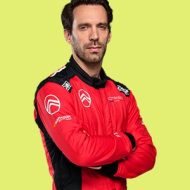
CitroënCitroën RacingVergne, Cassidy
PorscheCupra KiroMartí, Ticktum
DSDS PenskeGünther, Barnard
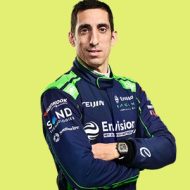
JaguarEnvision RacingBuemi, Eriksson
JaguarJaguar TCS RacingEvans, da Costa
Lola-YamahaLola Yamaha ABTdi Grassi, Maloney
MahindraMahindra Racingde Vries, Mortara
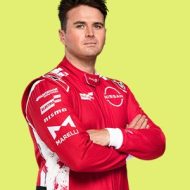
NissanNissan Formula E TeamRowland, Nato
PorschePorsche Formula E TeamWehrlein, Müller
The 2026–27 grid
Twelve teams for GEN4
DS Automobiles leaves after eleven seasons, and fellow Stellantis brand Opel arrives with the Opel GSE team, the twelfth entry. Fortescue Zero Racing takes over the former Penske operation with Jaguar power, Andretti switches from Porsche to Nissan powertrains, and Porsche adds a second customer team alongside Cupra Kiro.
Lola has ended its partnership with Abt. Driver line-ups for the new season were still being confirmed in October 2026.
05
The 2026–27 season
Season 13 is the longest Formula E has run: 21 races at 13 events in 11 countries, from December 2026 to July 2027, and the first with the GEN4 car.
Jeddah18 to 19 December 2026, Jeddah Corniche CircuitOpener, night double-header
Mexico City16 January 2027, Autódromo Hermanos RodríguezSingle race
Austin6 February 2027, Circuit of The AmericasNew venue
Miami20 February 2027, Miami International AutodromeSingle race
São Paulo13 March 2027, Anhembi SambadromeSingle race
Sanya17 April 2027, Haitang Bay CircuitSingle race
Monaco1 to 2 May 2027, Circuit de MonacoDouble-header
Berlin8 to 9 May 2027, Tempelhof Airport Street CircuitDouble-header
London29 to 30 May 2027, Brands HatchNew venue, double-header
Zandvoort18 to 19 June 2027, Circuit ZandvoortNew venue, double-header
Madrid26 to 27 June 2027, Circuito del JaramaDouble-header
Shanghai10 to 11 July 2027, Shanghai International CircuitDouble-header
Tokyo24 to 25 July 2027, Tokyo Street CircuitFinale, double-header
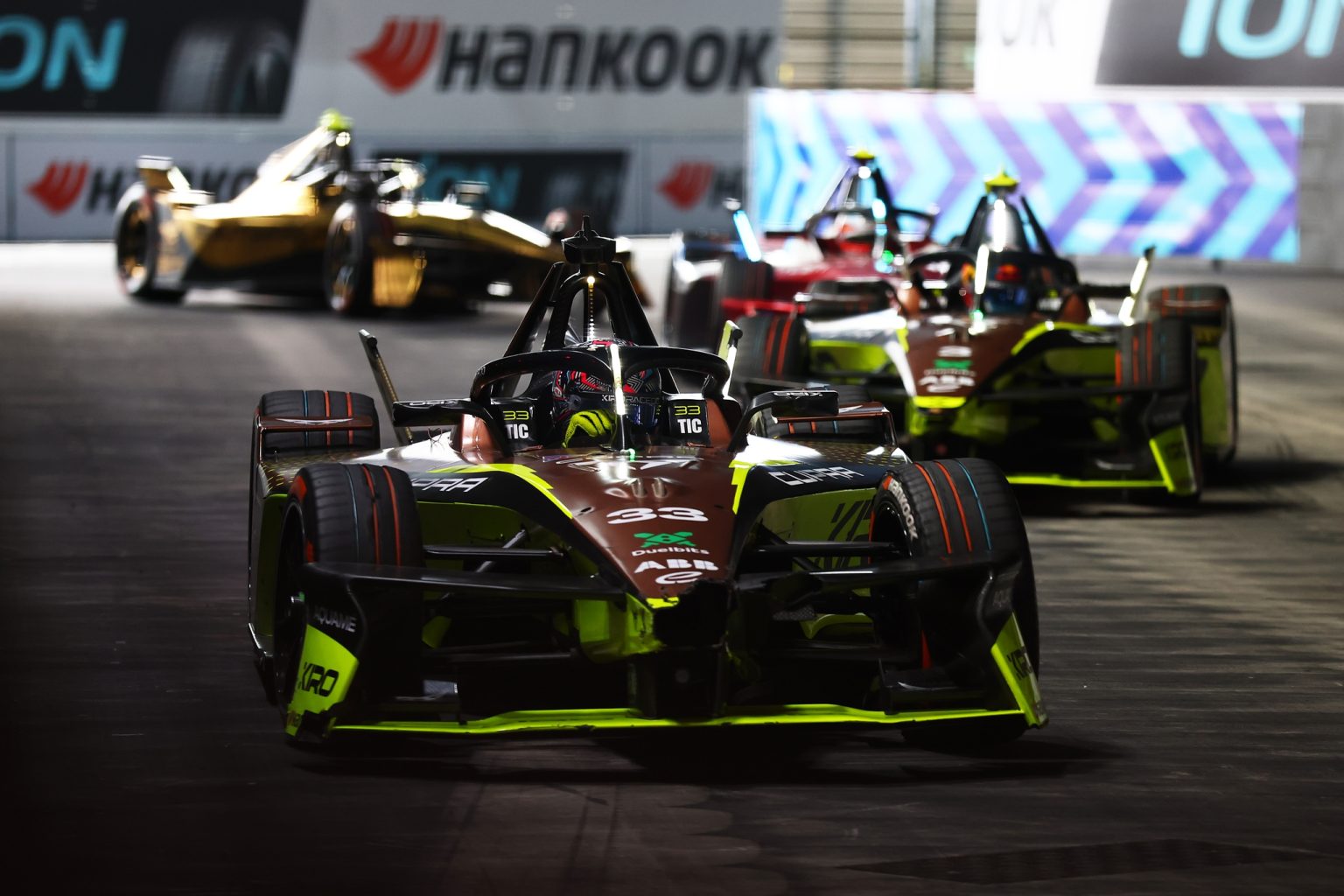
Eight of the thirteen events are double-headers, and each opens with the 30-minute E-Prix Unleashed sprint. Three venues are new: Circuit of The Americas, Zandvoort and Brands Hatch, which takes over the London round from ExCeL. Berlin’s Tempelhof, a former airport, is the circuit Formula E has raced at most. Above, Dan Ticktum’s Cupra Kiro at ExCeL London in August 2026, before the London round moves to Brands Hatch. Photo: Simon Galloway/LAT Images.
06
The champions
Twelve seasons, ten different champions. Jean-Éric Vergne and Pascal Wehrlein are the only two-time winners, and Vergne is still the only driver to have defended the title.
| Season | Years | Drivers’ champion | Team | Teams’ champion |
|---|---|---|---|---|
| 1 | 2014–15 | Nelson Piquet Jr. | China Racing | Renault e.dams |
| 2 | 2015–16 | Sébastien Buemi | Renault e.dams | Renault e.dams |
| 3 | 2016–17 | Lucas di Grassi | Abt Schaeffler Audi Sport | Renault e.dams |
| 4 | 2017–18 | Jean-Éric Vergne | Techeetah | Audi Sport Abt Schaeffler |
| 5 | 2018–19 | Jean-Éric Vergne | DS Techeetah | DS Techeetah |
| 6 | 2019–20 | António Félix da Costa | DS Techeetah | DS Techeetah |
| 7 | 2020–21 | Nyck de Vries | Mercedes-EQ | Mercedes-EQ |
| 8 | 2021–22 | Stoffel Vandoorne | Mercedes-EQ | Mercedes-EQ |
| 9 | 2022–23 | Jake Dennis | Avalanche Andretti | Envision Racing |
| 10 | 2023–24 | Pascal Wehrlein | Porsche | Jaguar TCS Racing |
| 11 | 2024–25 | Oliver Rowland | Nissan | Porsche |
| 12 | 2025–26 | Pascal Wehrlein | Porsche | Jaguar TCS Racing |
Wehrlein’s second title, two seasons after his first, was settled at the London finale at ExCeL on 15 and 16 August 2026, where he won the first of the two races. Taylor Barnard won the finale the next day for DS Penske. Jake Dennis finished the season second for Andretti and Mitch Evans third for Jaguar.
The list also tracks how the grid has turned over. Renault, Audi and Mercedes all won titles and then left: Renault’s place passed to Nissan, and the Mercedes team became McLaren, which has since left too. DS, which took the drivers’ and teams’ titles together with Techeetah in 2018–19 and 2019–20, leaves after 2025–26.
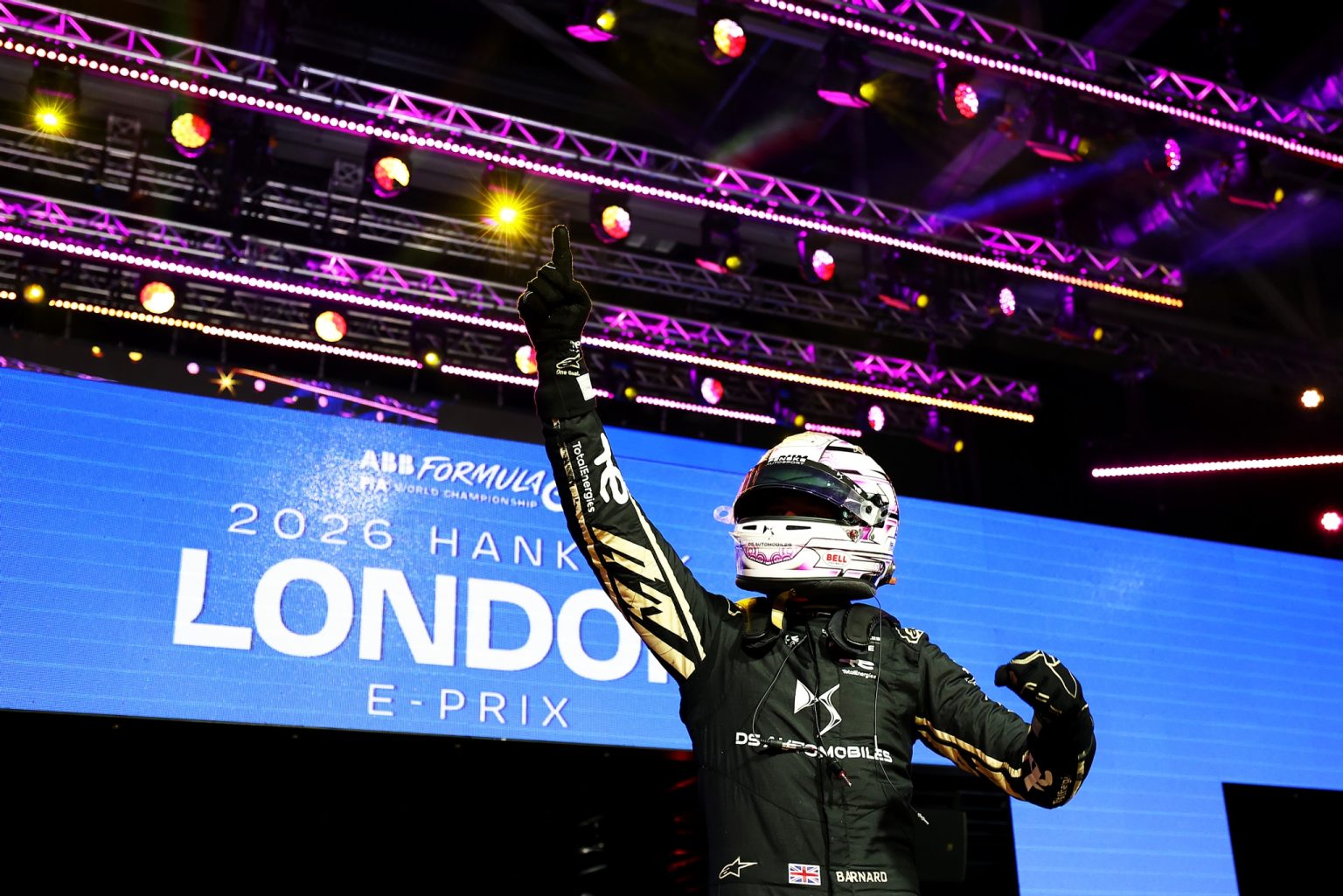
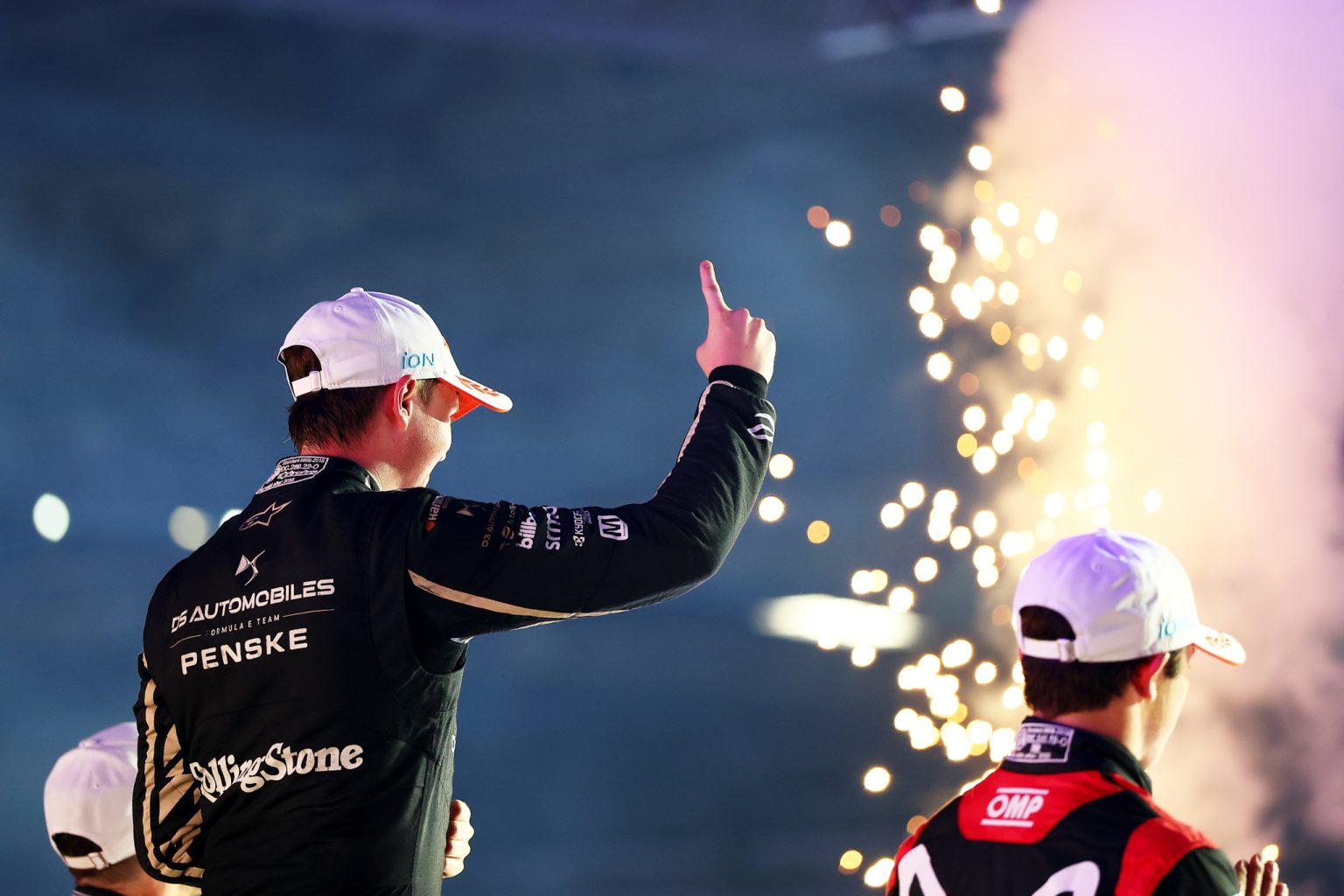
Taylor Barnard in parc fermé and on the podium after winning the last race of 2025–26 at ExCeL London, 16 August 2026. Photos: Simon Galloway/LAT Images.
07
The drivers
The grid draws on every corner of the sport: former Formula 1 drivers, Formula 2 champions and Le Mans winners, alongside drivers who built their careers in electric racing.
Pascal WehrleinChampion in 2023–24 and 2025–26, both with Porsche. Raced in Formula 1 for Manor and Sauber, and won the DTM title in 2015.
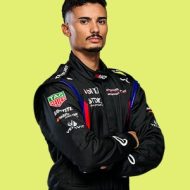
Nyck de VriesFormula E’s first world champion, with Mercedes in 2020–21, after winning Formula 2 in 2019. Raced in Formula 1 for Williams and AlphaTauri.
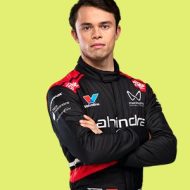
Jean-Éric VergneThe only driver to defend the title, in 2017–18 and 2018–19. Three seasons in Formula 1 with Toro Rosso before that.
Sébastien BuemiChampion in 2015–16 and a four-time Le Mans winner with Toyota, after three seasons in Formula 1 with Toro Rosso.
Lucas di GrassiWon the first Formula E race, in Beijing in 2014, and the 2016–17 title. Drove for Virgin in Formula 1 in 2010.
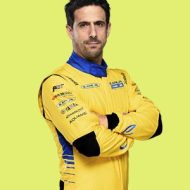
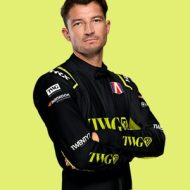
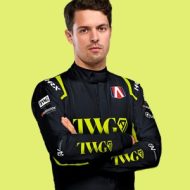
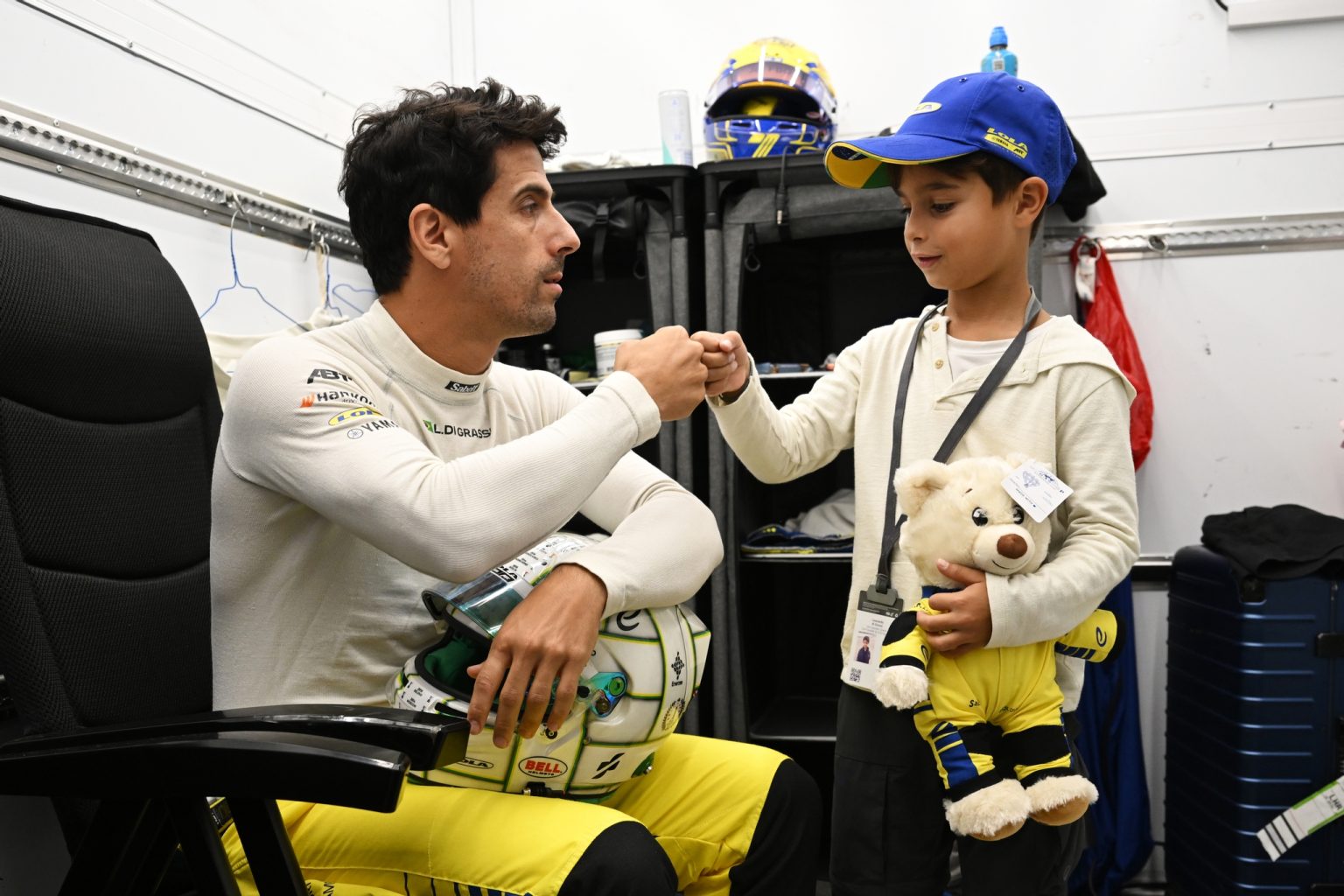
Lucas di Grassi, who won Formula E’s first race, with his son in the Lola Yamaha ABT garage before the 2026 London finale. Photo: Sam Bagnall/LAT Images.
08
Who can enter
Formula E has its own licence, separate from the Formula 1 super licence, and its own rules for bringing new drivers in.
Licence
The e-licence
A driver needs 20 super licence points, or 15 points plus at least 100 km in a current-generation Formula E car in free practice or an official test. Holders of a Formula 1 super licence are exempt.
Rookies
A mandatory rookie session
Every team has to run a rookie in the 40-minute Rookie Free Practice. A driver counts as a rookie until the end of their first season, or until they have started two E-Prix in different seasons.
Testing
The pre-season test
Running is tightly limited, so the official pre-season test is where new drivers and new cars get their first real mileage. It is usually held at Valencia’s Circuit Ricardo Tormo, though flooding in the region moved the 2024 test to Jarama, near Madrid.
Women’s Test
A dedicated day
In November 2024 Formula E ran its first Women’s Test, at Jarama alongside the pre-season test, giving female drivers running in the current car.
09
The GEN3 era
GEN4 replaces the GEN3, which raced from 2022–23 to 2025–26. Its final form, the GEN3 Evo, ran for the last two of those seasons, and every 2025–26 result on this page was set with it.
ChassisOne car, one builderSpark Racing Technology built the chassis for every team. The Evo update added a new body kit, with an upper front wing element and covered front wheels, built to be stronger in wheel to wheel contact.
Battery38.5 kWh usableSupplied by Williams Advanced Engineering, with 47 kWh of total capacity. At races with a mandatory Pit Boost, a 30-second stop added 3.85 kWh.
Power300 kW in the race350 kW in qualifying and in Attack Mode, which a driver had to earn by leaving the racing line to activate it.
Recovery600 kW of regeneration250 kW from the front motor and 350 kW from the rear.
DriveTwo-wheel, then fourThe front motor drove the car only in qualifying duels, at race starts and in Attack Mode. With it the Evo did 0 to 60 mph in 1.82 seconds, the quickest acceleration of any FIA single seater when it launched.
TyresOne tyre for all weatherHankook supplied a single all-weather tyre made with bio-materials and sustainable rubber, with no choice of wet and dry compounds.
Top speed was around 322 km/h.
Compiled from the ABB FIA Formula E World Championship’s official site, including its GEN4 FAQ, the Season 13 calendar and the 2026–27 sporting format explainer; the FIA’s GEN3 Evo launch release; reporting by e-formula.news on the e-licence; and Wikipedia’s season, champions and E-Prix summaries. Race total and results current to the London E-Prix of 15 and 16 August 2026. Photography: London E-Prix and GEN4 launch by Simon Galloway and Sam Bagnall, LAT Images; GEN4 launch by Jazz Vian for Parc Fermé; driver portraits from the Formula E Media Centre.